

Height advantage. Timing windows. Reading patrol patterns.
Map the ridge. Strike unseen.
A stealth game for players who actually think about how elevation changes what guards can see, and who study how they move.
The difference between a clean run and getting caught? It all comes down to timing. The ridge teaches you something most stealth games skip over — vertical space completely changes how guard vision works. Position yourself just over a dozen meters above a patrol route and you're barely in their peripheral vision. Drop to ground level and suddenly the sight density jumps. You've got 16 different sectors spread across three elevation levels, each with its own 3-minute patrol cycle to memorize. The shadow windows where guards can't see you last anywhere from a few seconds up to a minute and a half. Get out clean without triggering a single alarm. No fighting. No sneaking up behind anyone. Just understanding the geometry, reading the patterns, and executing the plan.
Elevation-Based Sightlines
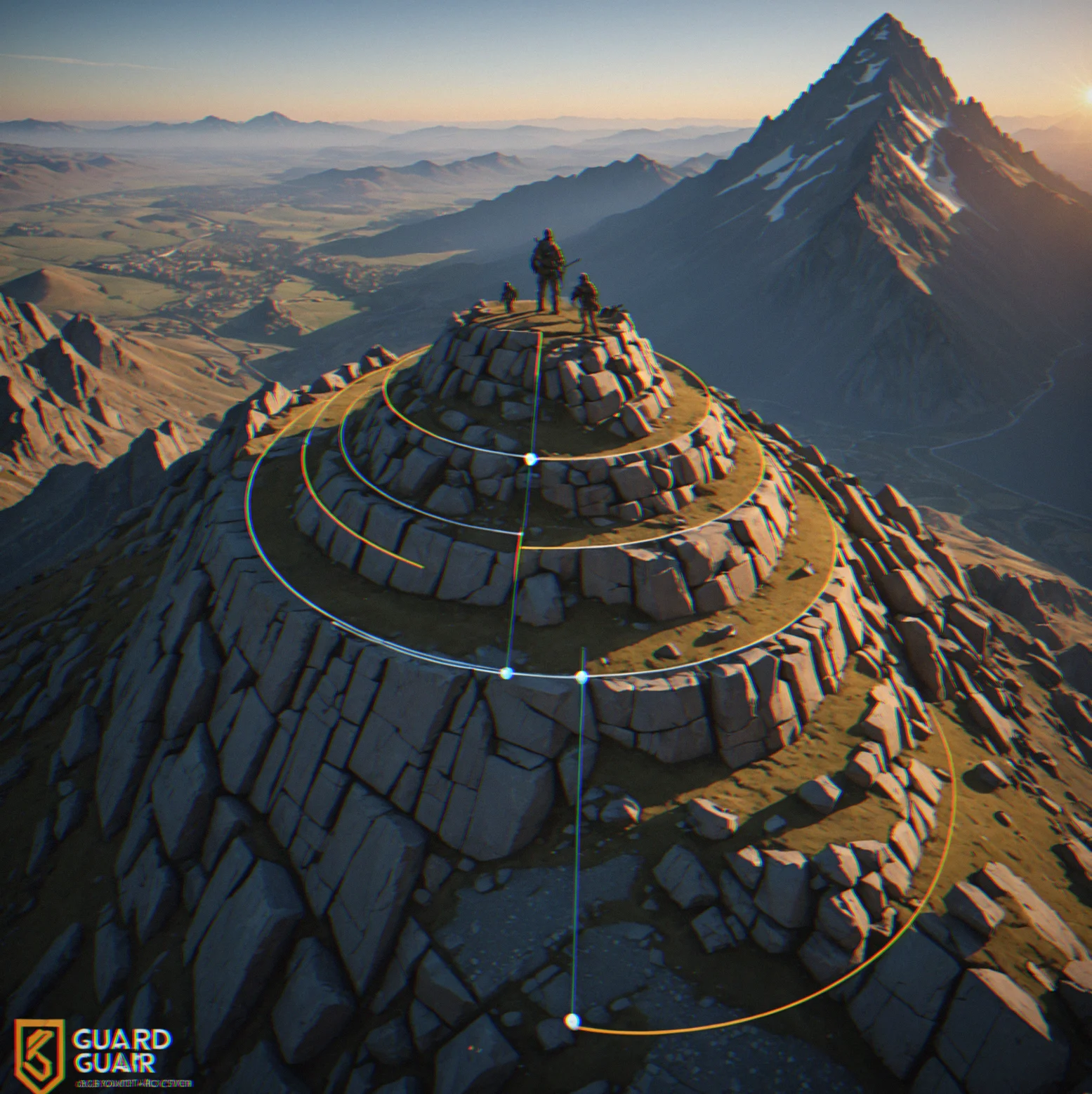
Where you stand vertically changes how guards see you. Get 8 meters above a patrol route and you're off the skyline. Drop to ground level and sight density jumps. The ridge creates overlapping vision cones that shift with your elevation, which means you have to think in three dimensions instead of two.
180-Second Patrol Cycles
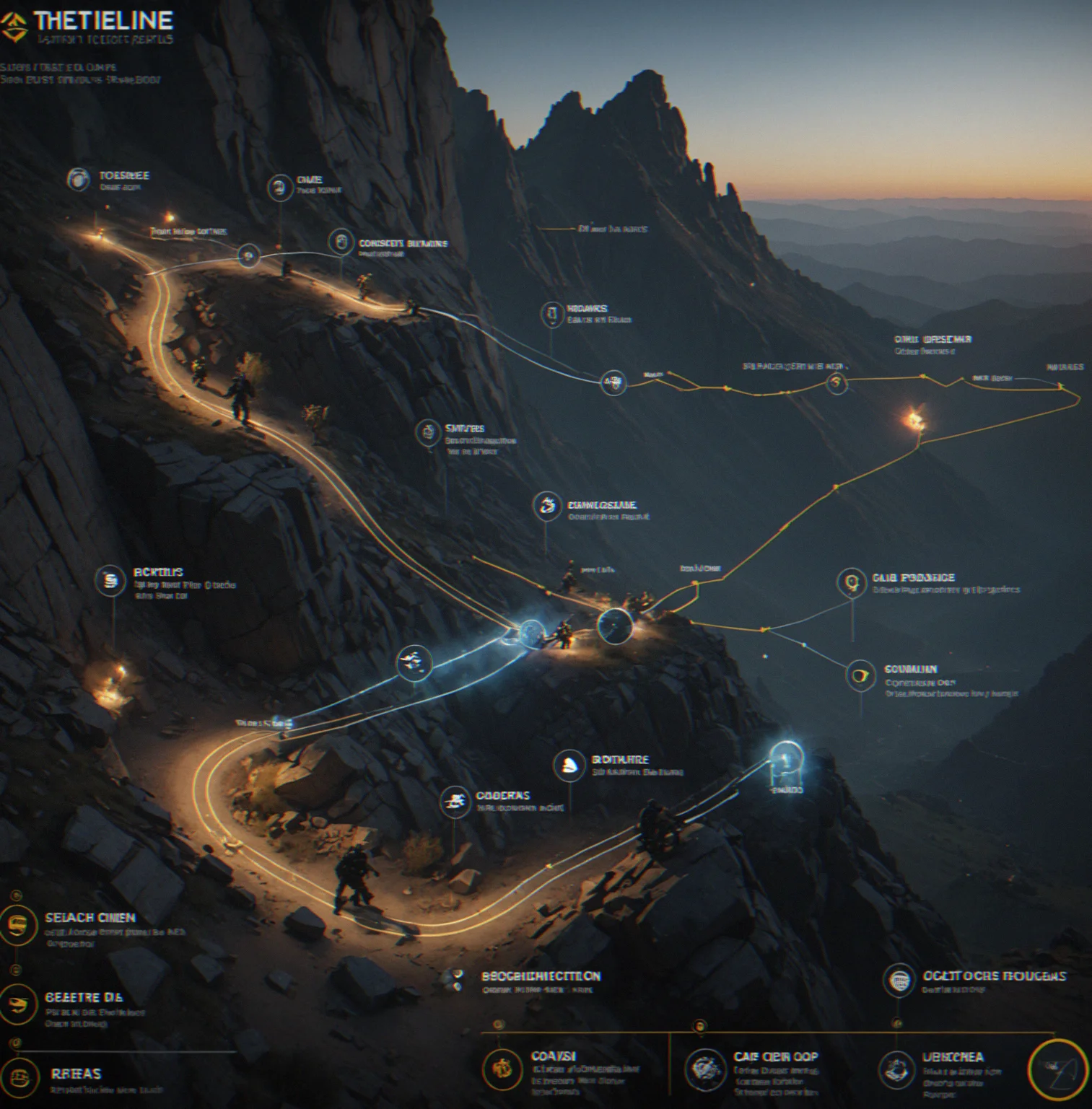
Guards repeat the same pattern. No variation. Watch it three times and you've got it. Gaps open up where timing lines up with your approach window. There's the pause at the checkpoint, the rest at the lookout post, the rotation at the tower. Once you see the pattern, that's your only advantage.
Shadow Windows and Timing
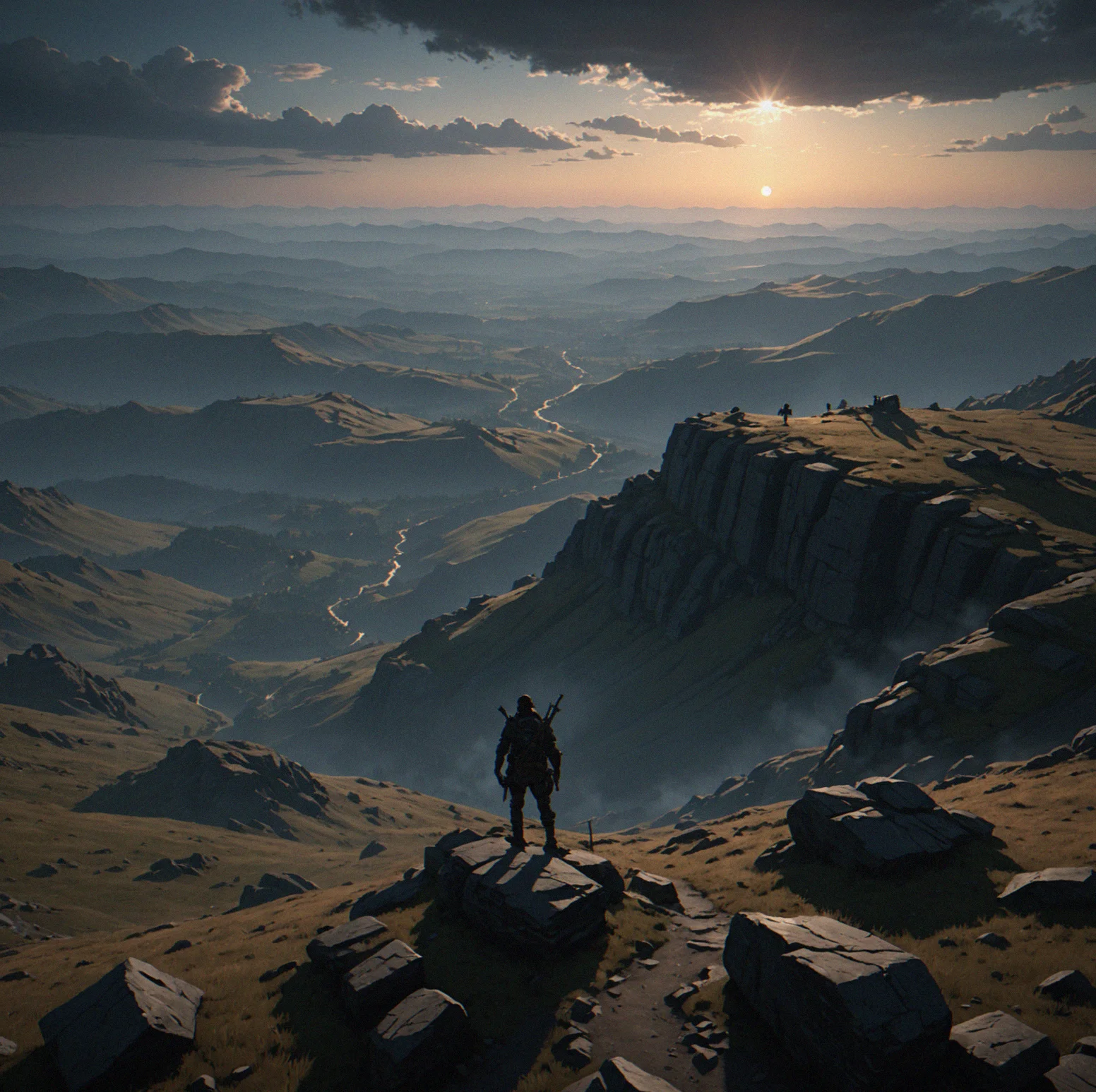
Cloud cover drops sight distance by several meters for half a minute or more. Torches rotate every 45 seconds. These aren't just visual fluff. They're actual timing constraints that matter. Move when the cloud passes, miss the window by a couple seconds and the whole run collapses because extraction locks tight.
Ghost Rating and Leaderboards
One alert and you lose the ghost rating. You can still extract, still finish the objective but the run gets marked as detected. Speedrunners only count ghost runs. That single moment where you nail the execution or mess up is where the game actually happens.
16 Sectors. Three Difficulty Tiers. One Mechanic.
Early Ridge teaches you how elevation changes what guards can see. Mid-Slope forces you to track multiple guards at once. Upper Crest stacks everything at once.
Early Ridge Learning Curve
Each sector takes 2 to 4 hours. Guards patrol on loose schedules with wide gaps between sightlines. You get 60 to 90 seconds in shadow before the next light sweep. This is where you figure out that standing higher up changes the angle of a guard's vision cone and that patrol patterns repeat exactly every 180 seconds.
Mid-Slope Pattern Mastery
The gaps shrink. Multiple guards see overlapping areas so you have to watch all of them at the same time. Plan for 3 to 6 hours per sector. Cloud cover is everything — you get maybe 4 seconds between two torch sweeps and a 40-second window when clouds block the light. That's your extraction.
Upper Crest Expert Execution
There's almost no room to move. One guard covers most of a sector. Two more guards and you're looking at coverage everywhere. Patrol cycles change with the lighting. Sectors take 4 to 8 hours and every single run requires perfect timing.
Sightline Geometry as Core Mechanic
Guards see in cone shapes from their position. When you move up in elevation the cone shifts and sight distance changes. Get 12 meters above a guard and you're barely in their peripheral vision. Ground level and the sight density jumps. The ridge forces you to understand this or you get caught.
Ghost Rating and Run Integrity
One alert breaks the ghost rating. You can still finish and extract but the run counts as detected. Speedrunners only track ghost runs because that's where the actual challenge is. Once a guard spots you the run is over in terms of leaderboard viability.
Shadow Windows as Functional Tools
Clouds cut sight distance down by 6 to 8 meters and last 30 to 90 seconds. Torches sweep every 45 seconds. These aren't just visual — they're real timing windows you have to plan around.
Leaderboard Competition
The best time on Early Ridge 1-A is 3:42. Shaving off 30 seconds from there is pure execution. Every patrol sync and shadow window has to be frame-perfect. Videos required for world record claims. No exceptions.
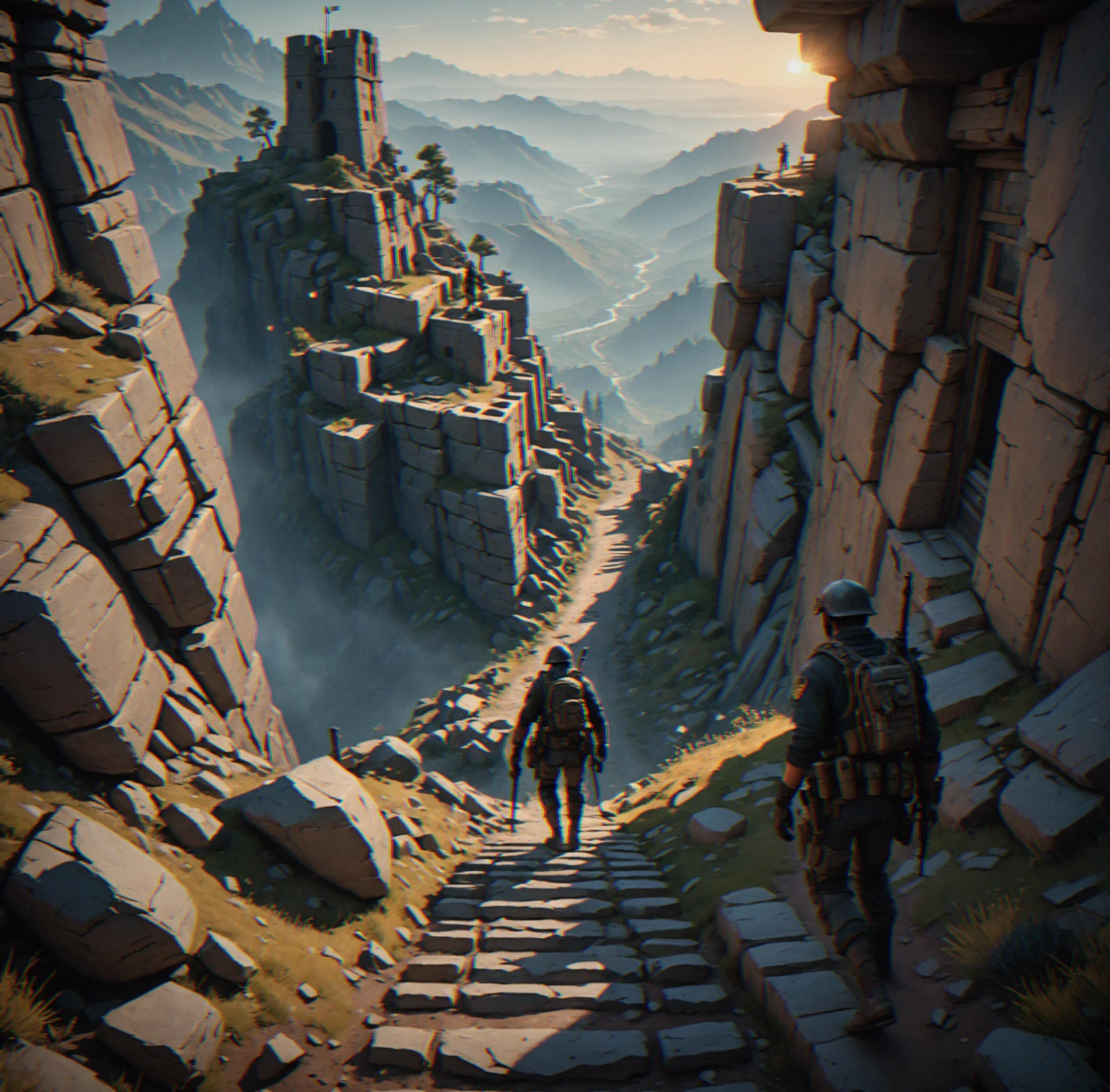
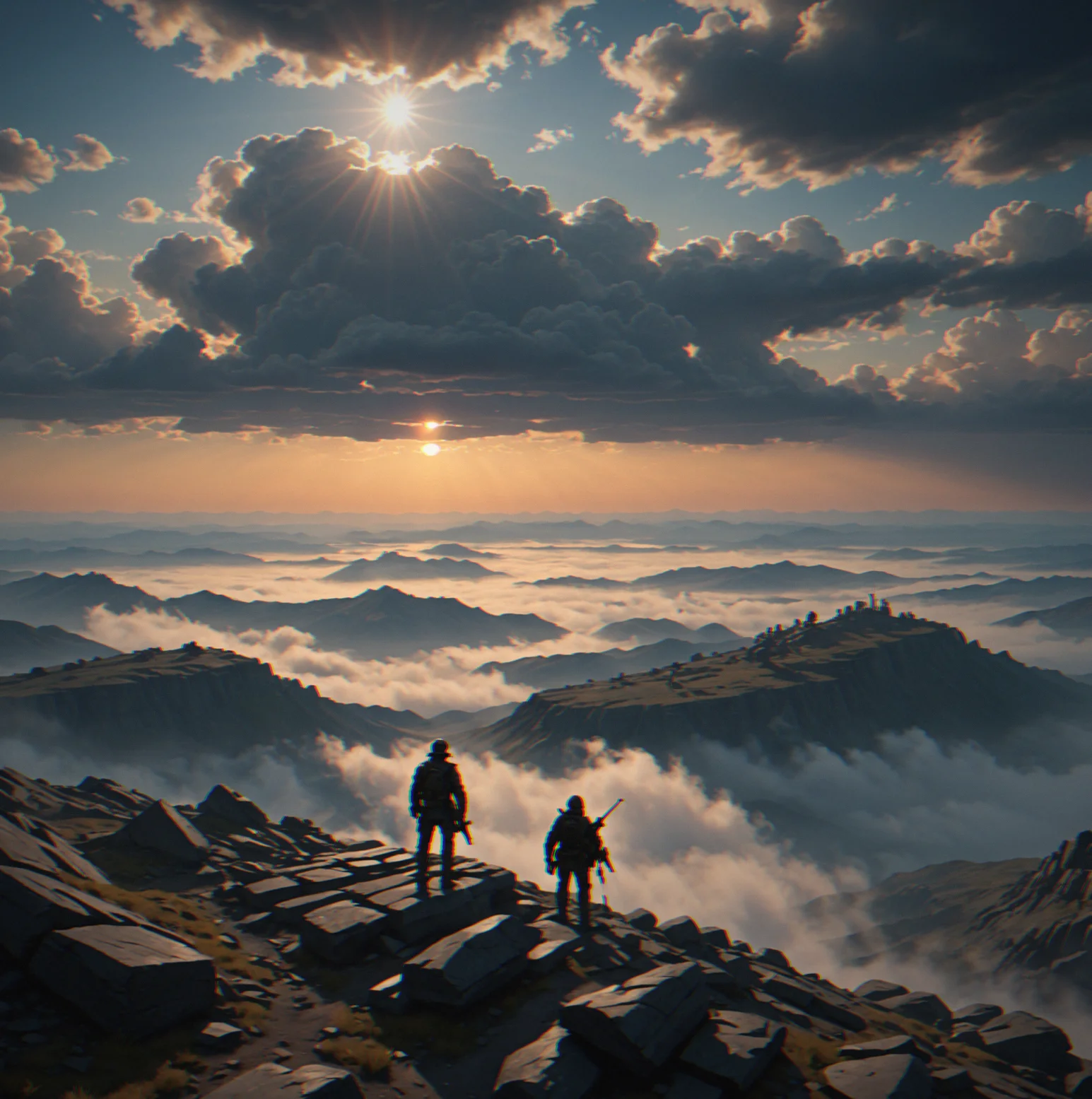
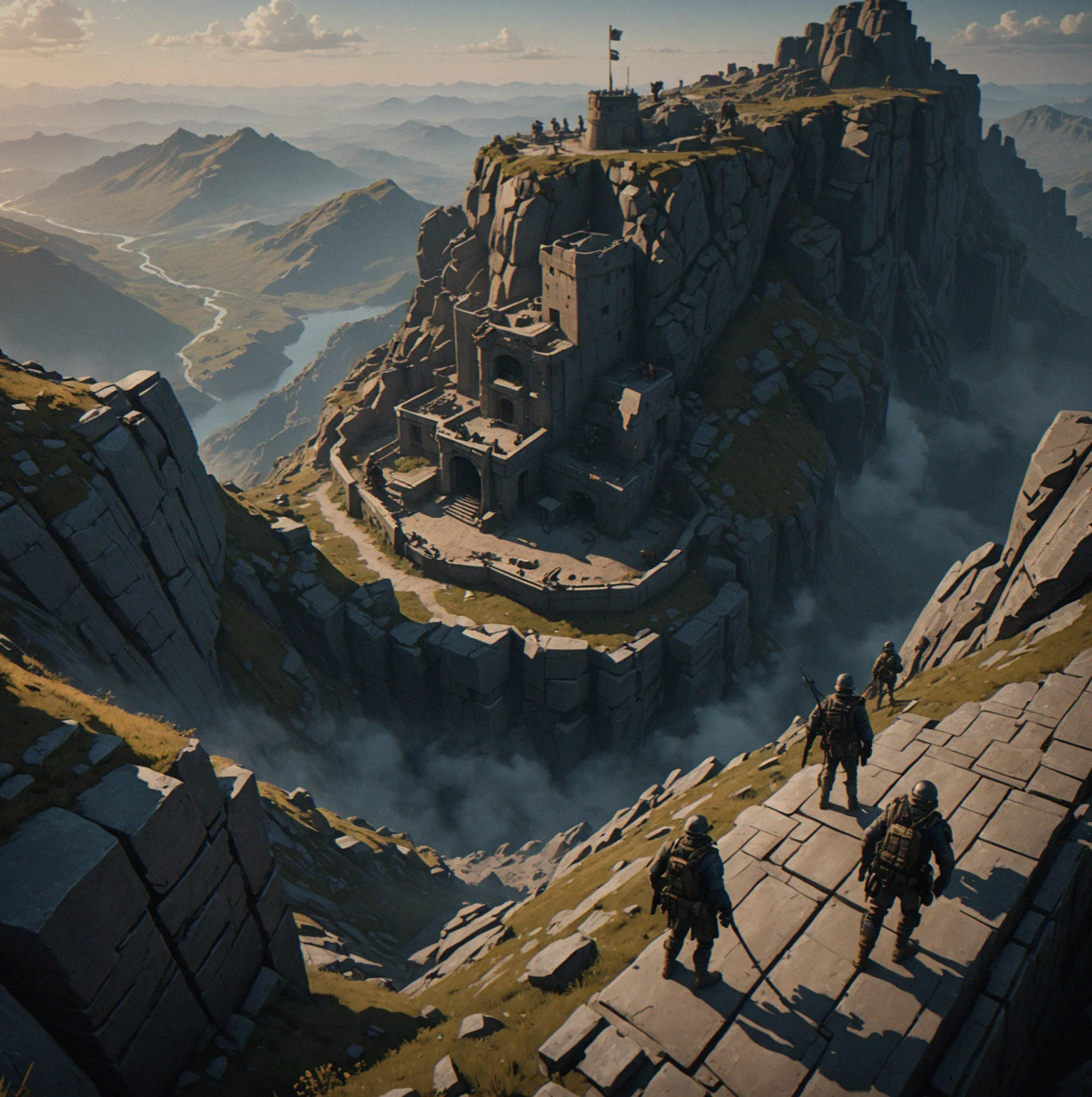
Ridge Sectors in Motion
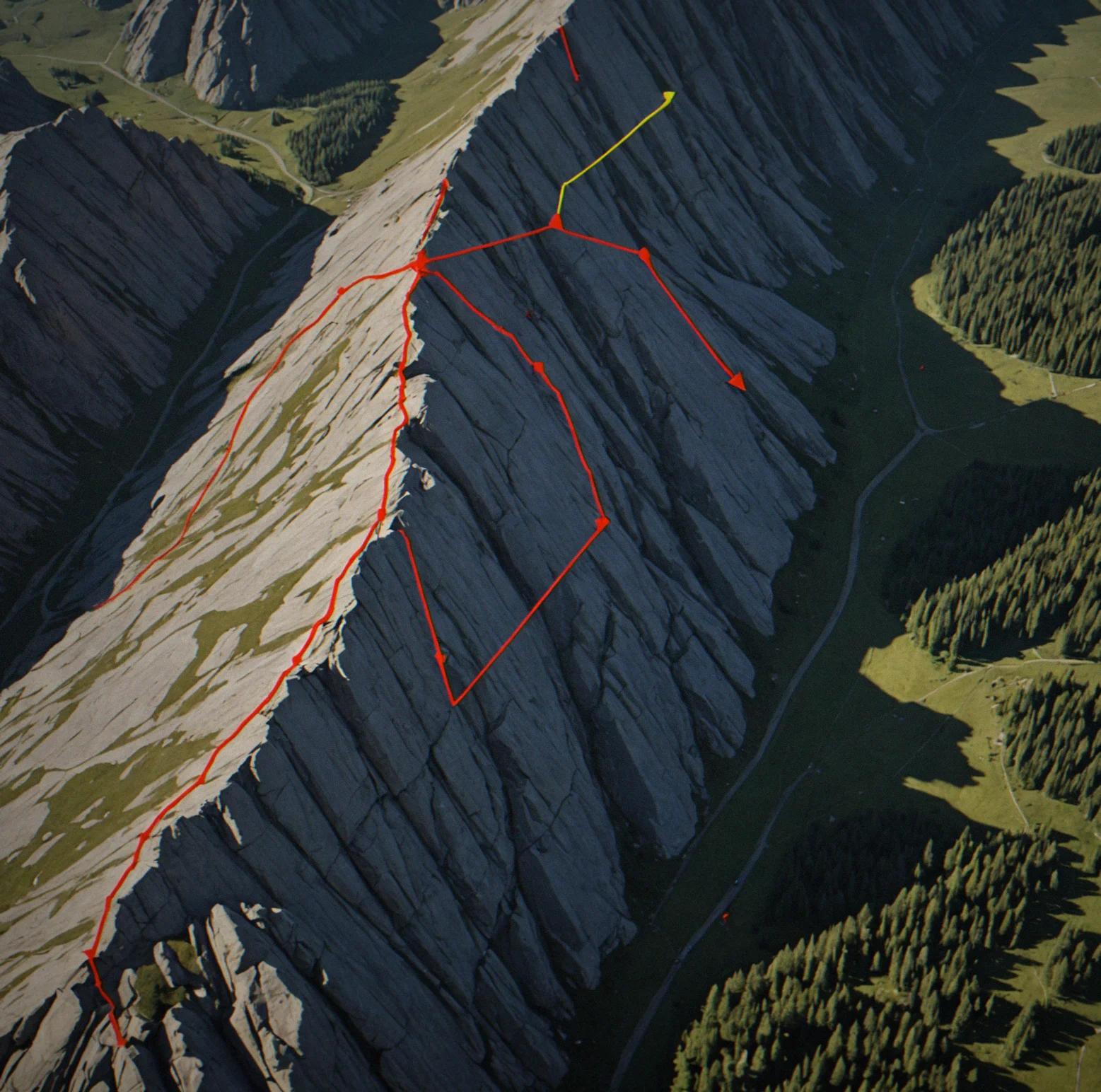
Top-down views of the Early Ridge and Mid-Slope areas. You'll see guard routes, where they can see, the terrain layout, and how to get out. Each one presents a different problem to solve.
Ridge Sectors. Tactical Views.
What does a constraint problem look like? Here. Early Ridge teaches geometry. Mid-Slope tightens patrol overlap. Upper Crest stacks guards until there's basically no room left.
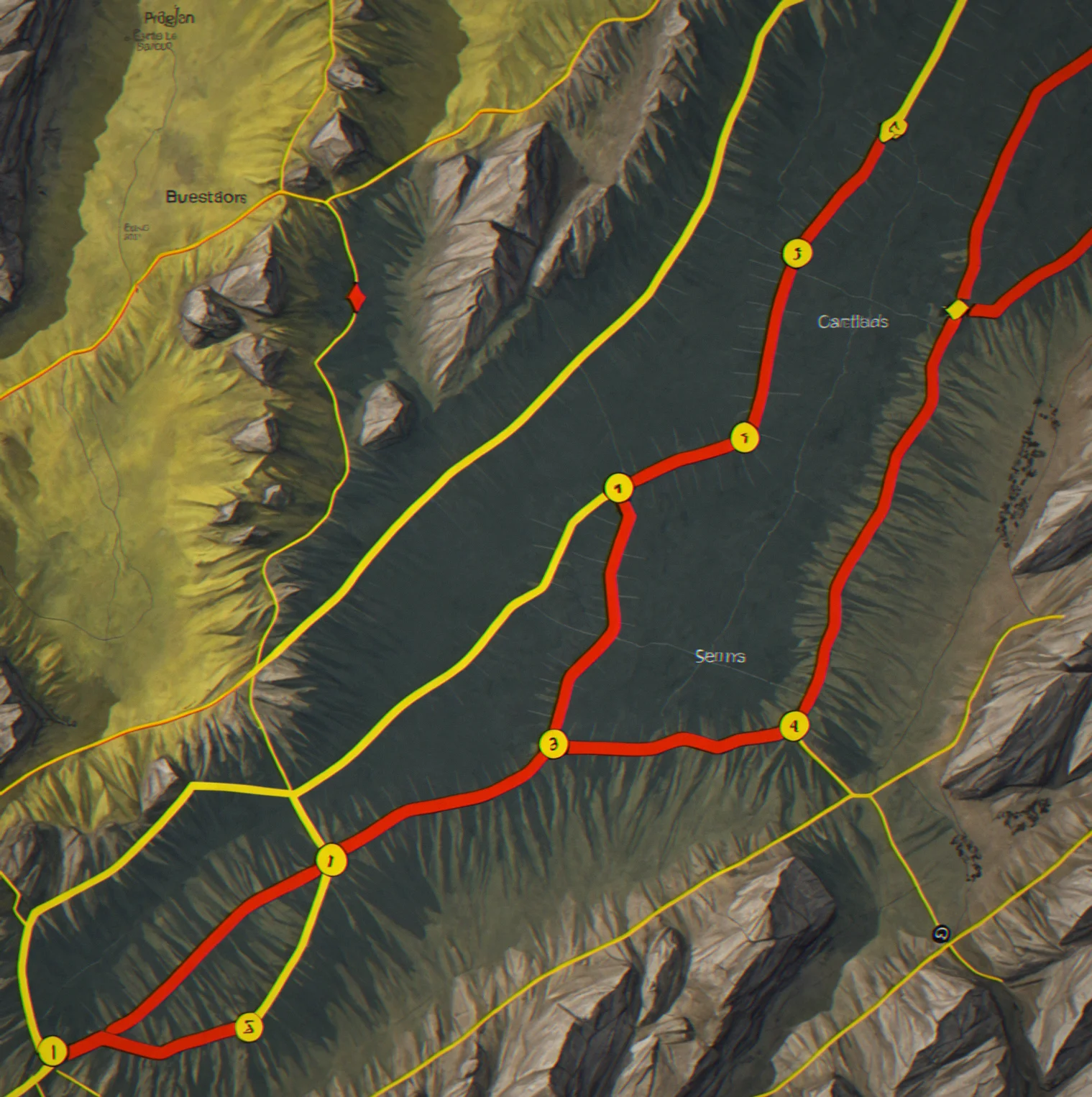
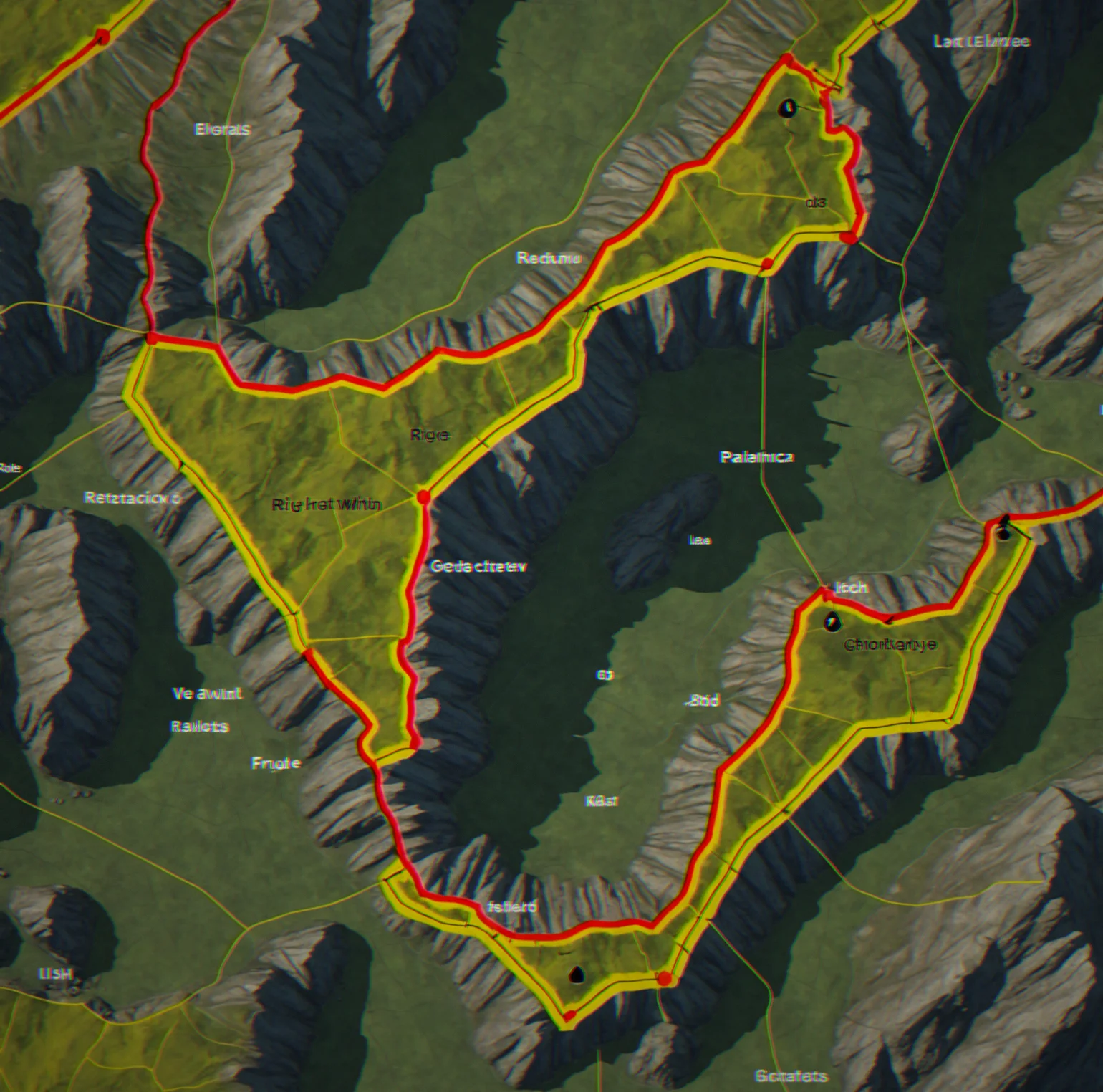
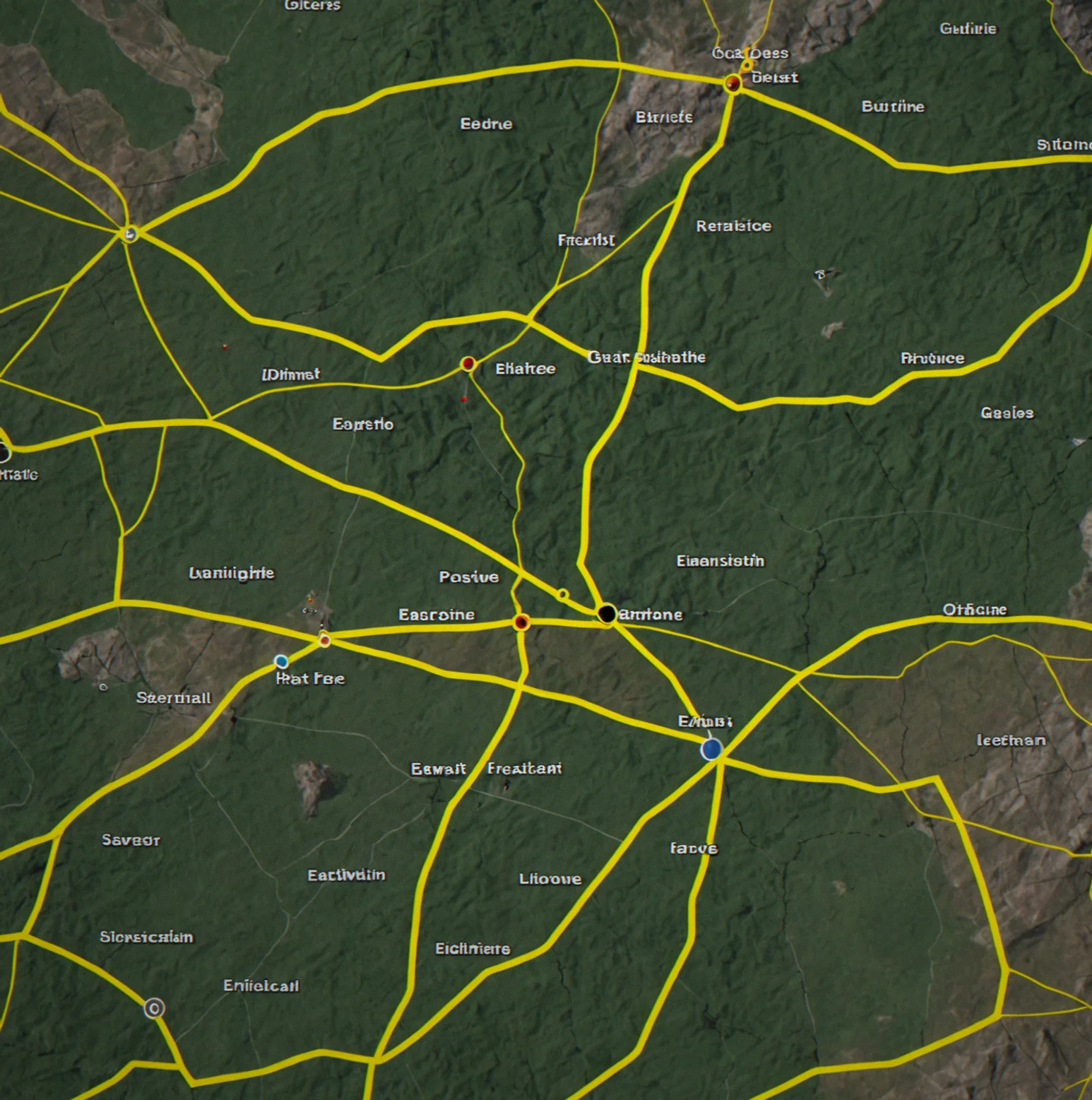
Overhead tactical map of Early Ridge sector 1-A. Three guard patrol routes in red, overlapping yellow sightline cones, ridge elevation contours in brown, two extraction points marked on the northern ridge face.
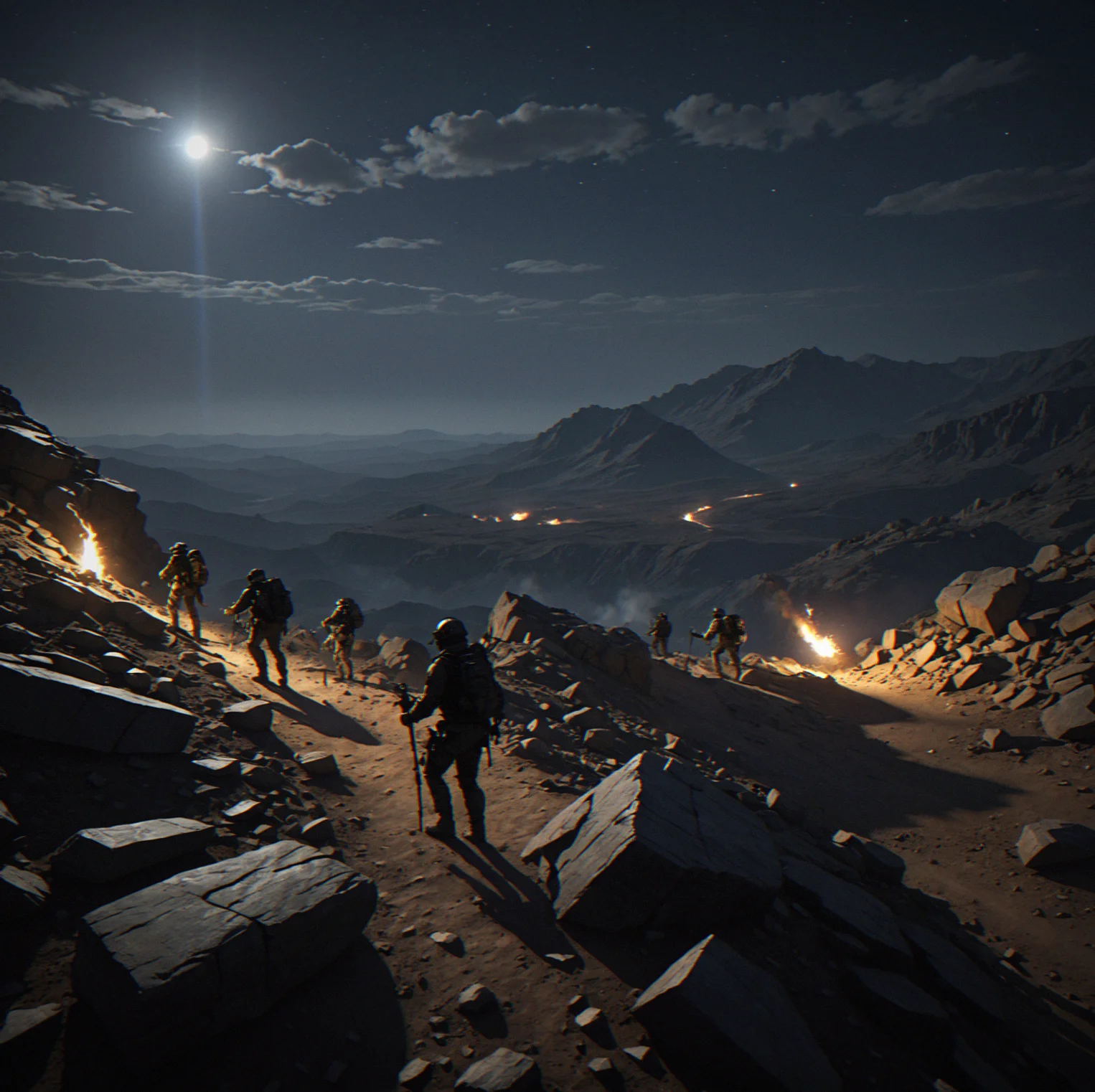
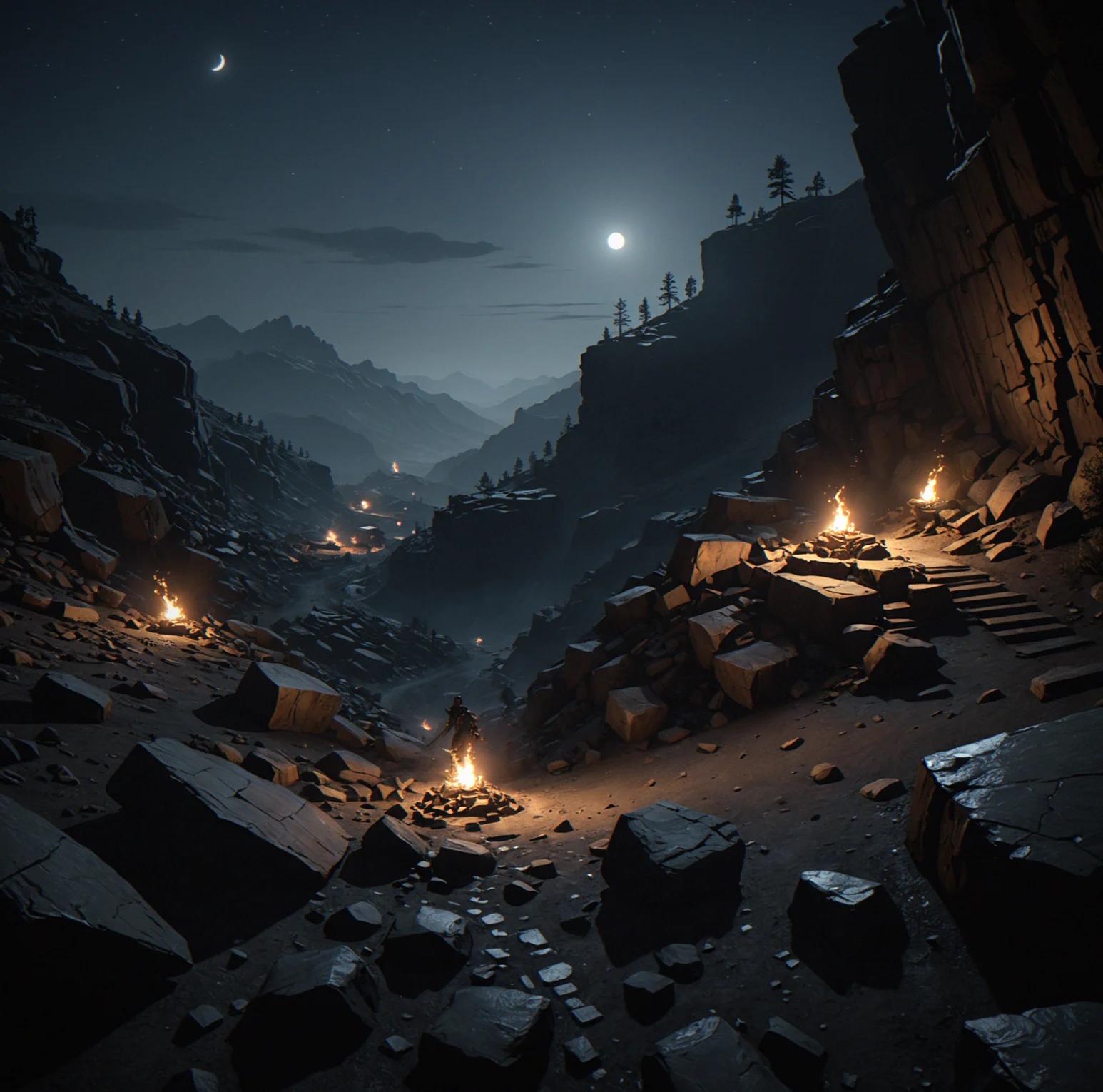
Mid-Slope sector at night. Active torch positions cast hard-edged shadows across rocky terrain. Torches rotate every 45 seconds, and cloud cover cuts sight distance down in the shadow zones.
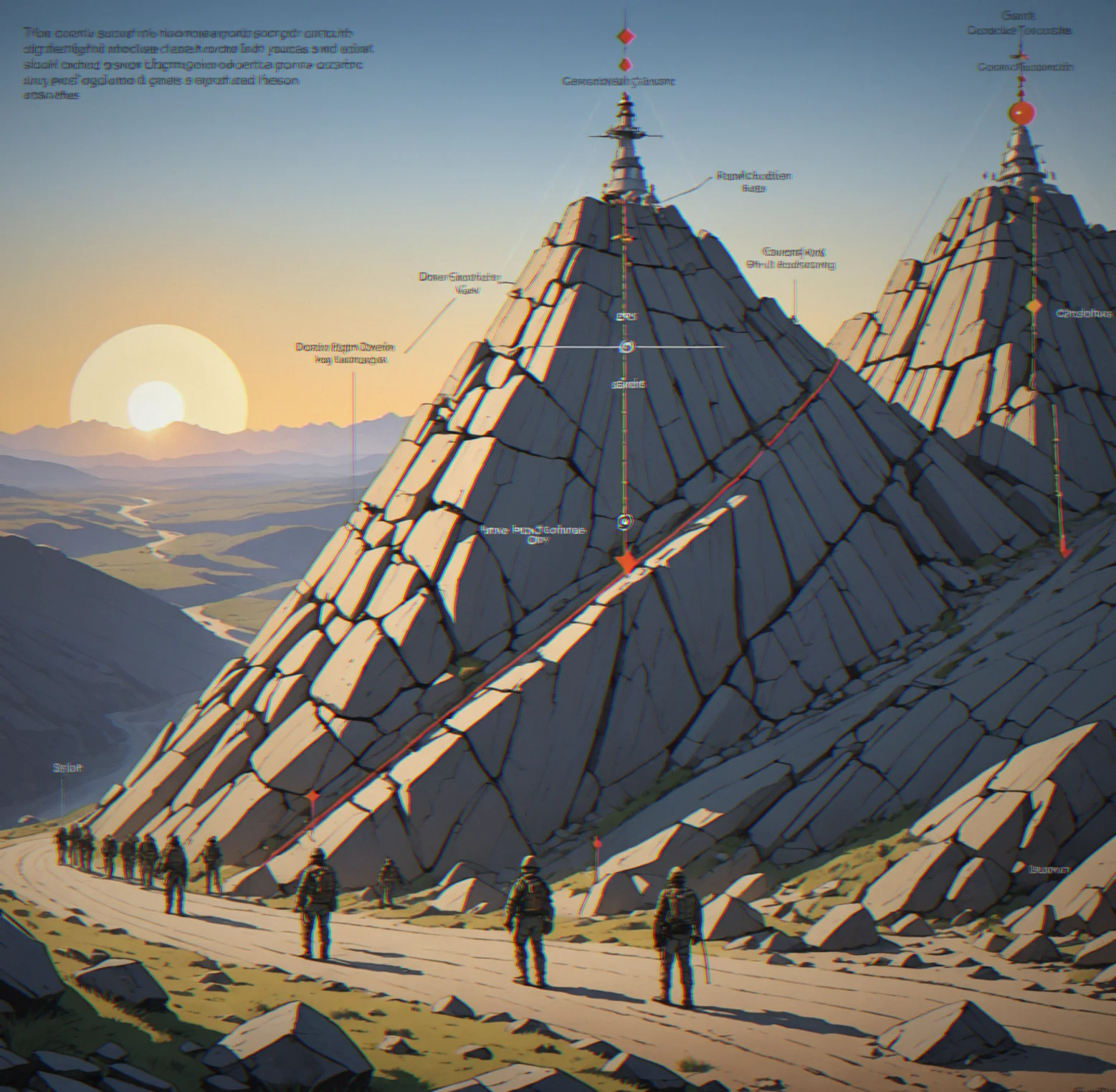
Cross-section elevation diagram showing how guard vision cones change based on vertical position. At ground level the cones overlap completely. Higher up, peripheral vision opens up.
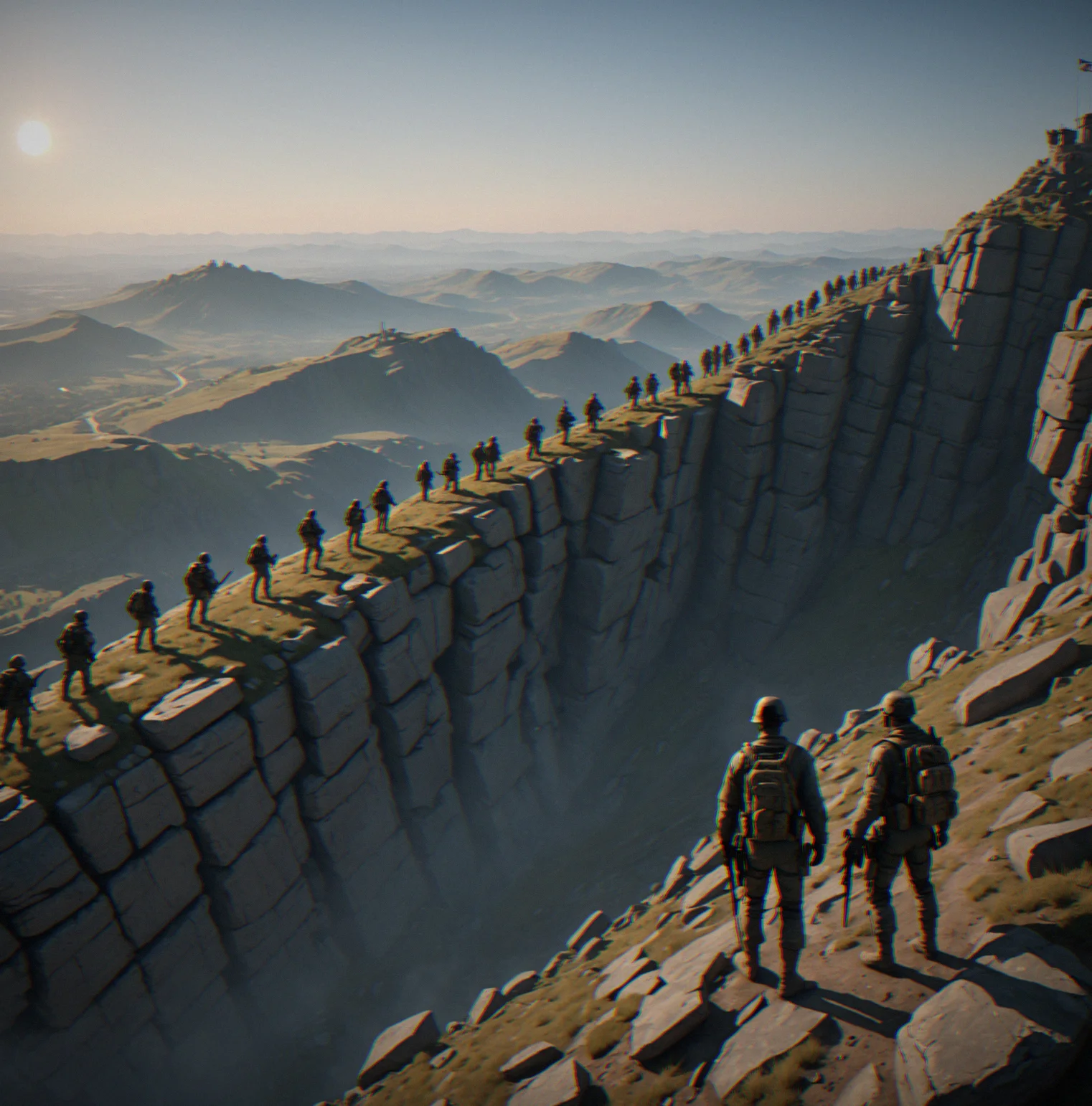
Upper Crest sector with five guard positions. Yellow highlights show almost complete sightline coverage, leaving almost no gaps for extraction. Each guard's patrol timeline is about three minutes.
Ridge Sectors in Detail
Six looks at how the ridge actually constrains you. Early Ridge, Mid-Slope, Upper Crest — each one throws a different problem at you. Sightlines that overlap. Guard timing that leaves you no room. Shadows that come and go. Extraction routes that barely exist. This is what you're really working through when you play.
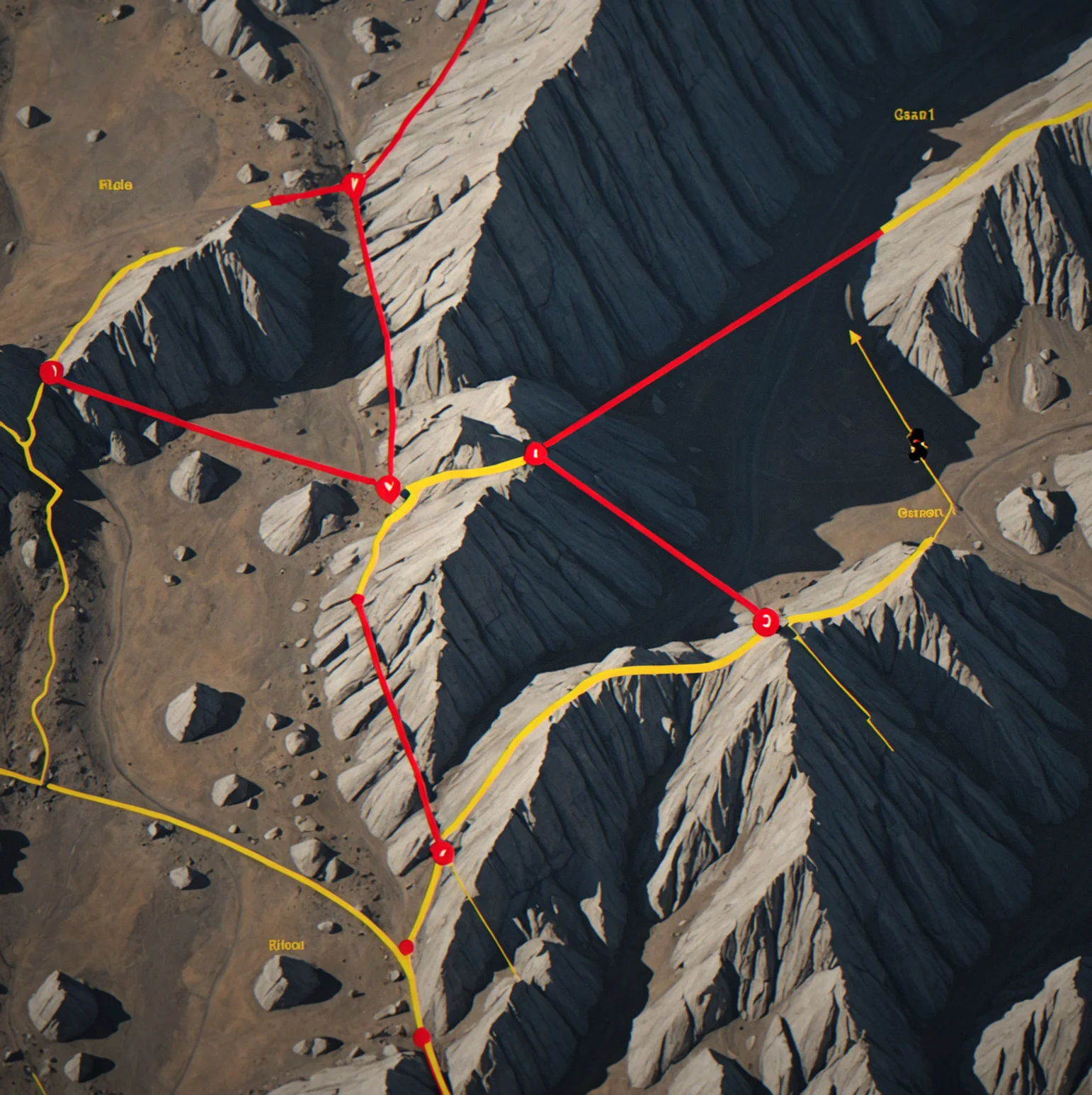
Overhead view of Early Ridge sector 1-A with three guard patrol routes marked in red, overlapping yellow sightline cones from each guard, rocky terrain, and two extraction points on the north slope
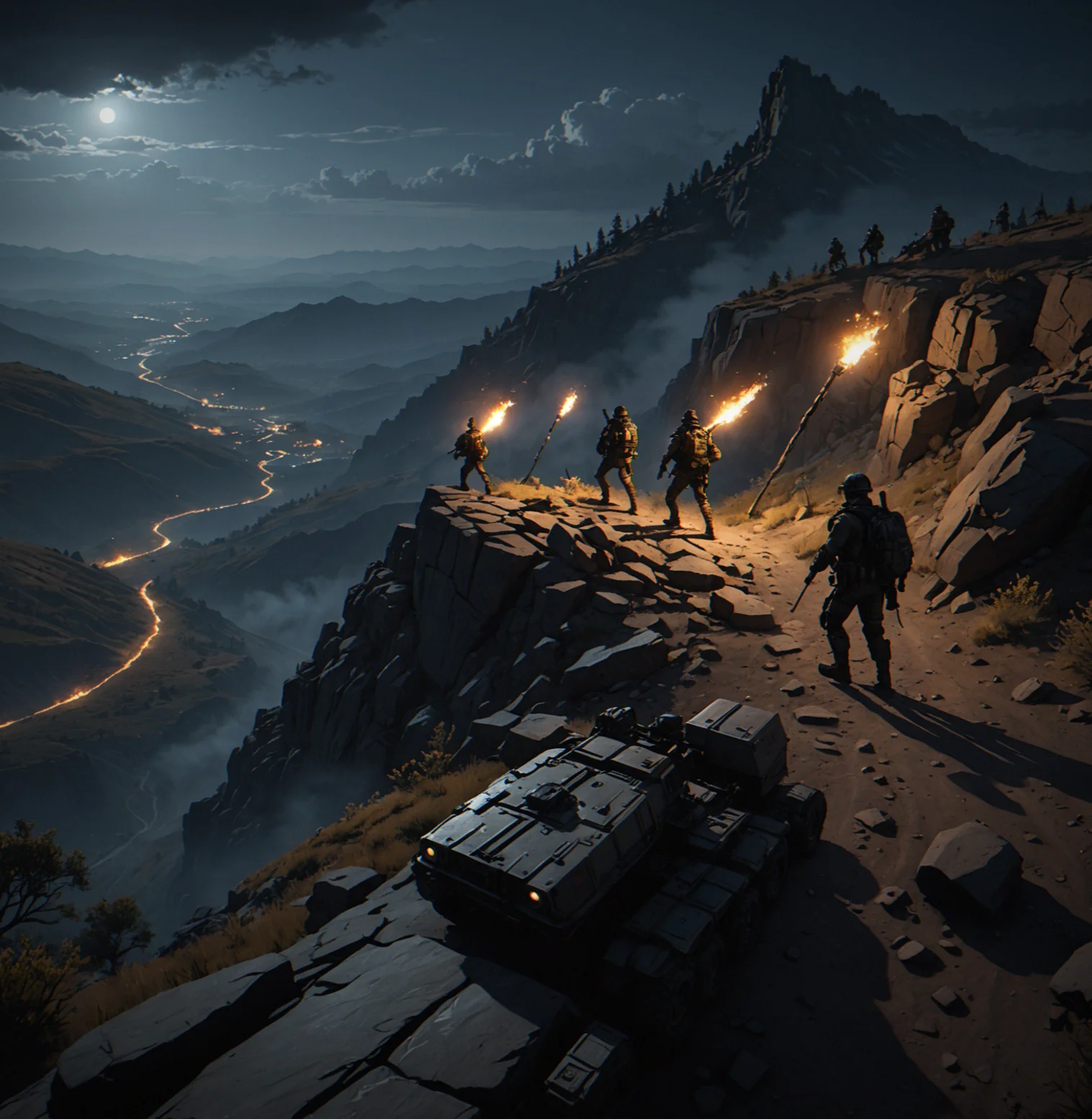
Mid-Slope at night with torches casting hard shadows across the ridge, cloud cover rolling in from the east cutting visibility, and guards on a patrol cycle that repeats every three minutes
Cross-section showing how a guard's sightline changes angle and reach based on height difference, with player positions at three elevations demonstrating the difference between being in their peripheral vision versus fully exposed
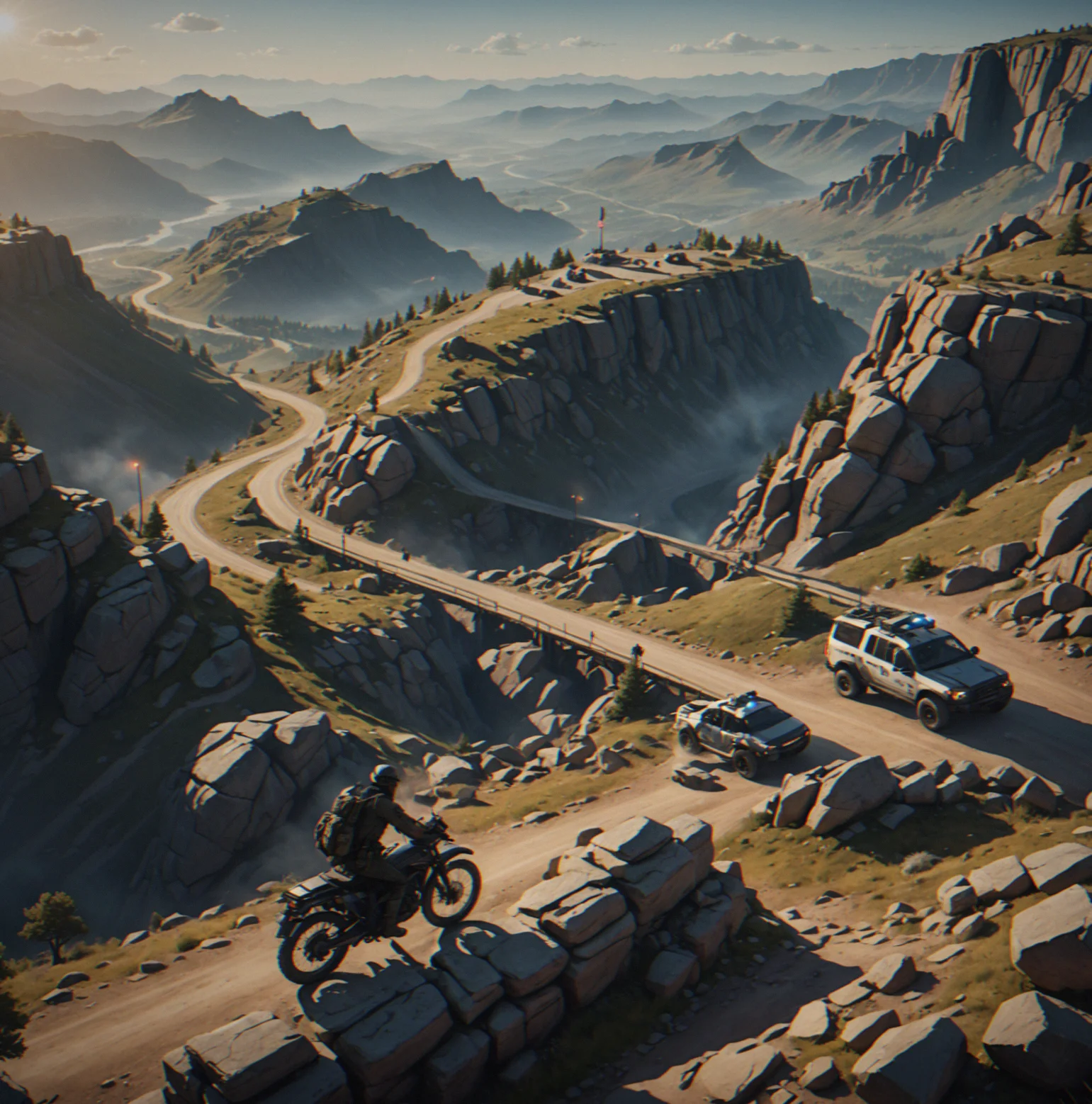
Three-minute patrol cycle laid out as a timeline showing checkpoints, rest stops and the windows where you can actually move without being seen, marked in Seconds
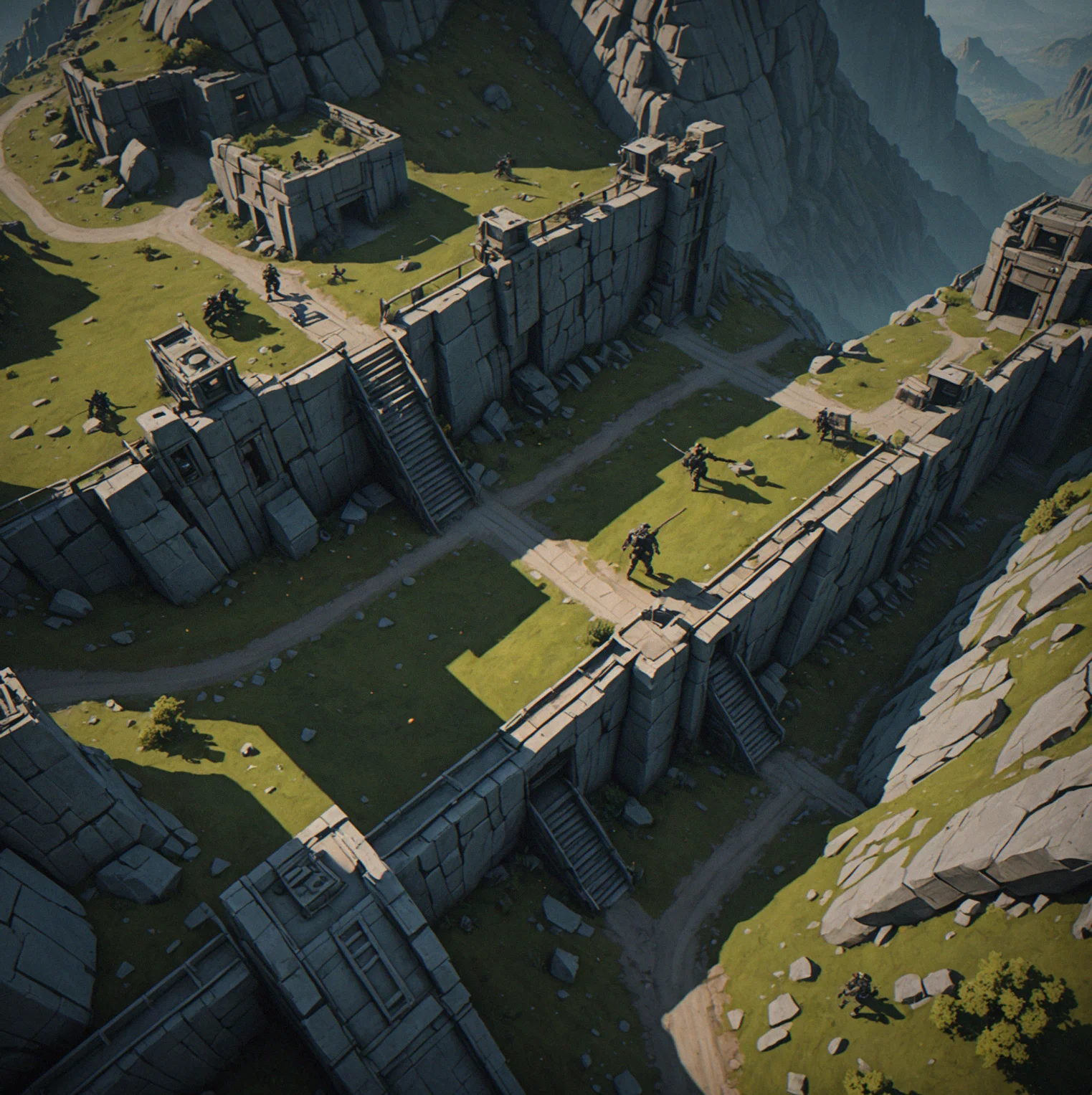
Upper Crest with five guard positions whose sightlines cover most of the sector, leaving only narrow corridors for extraction that require you to sync your movement perfectly with patrol gaps
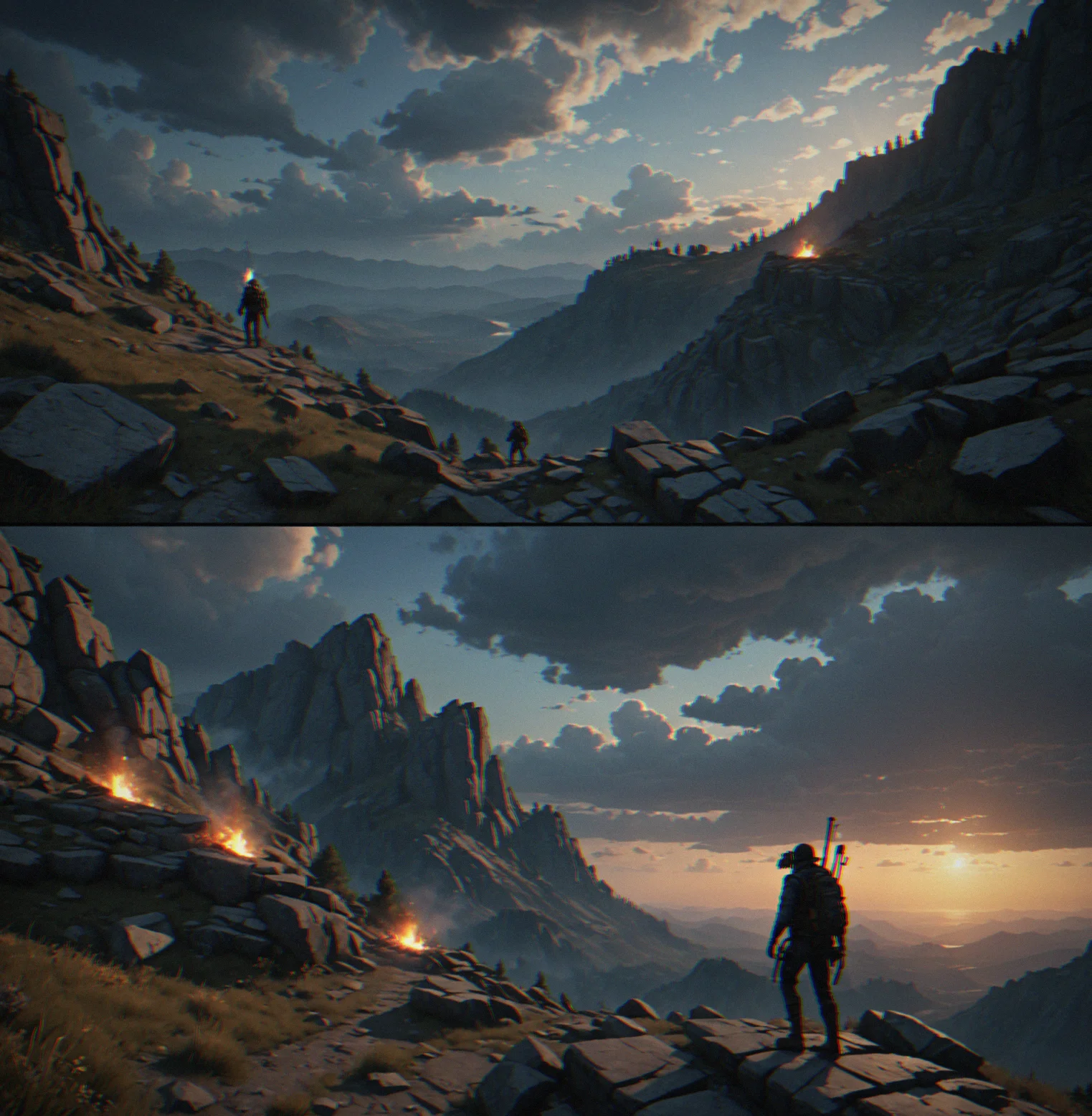
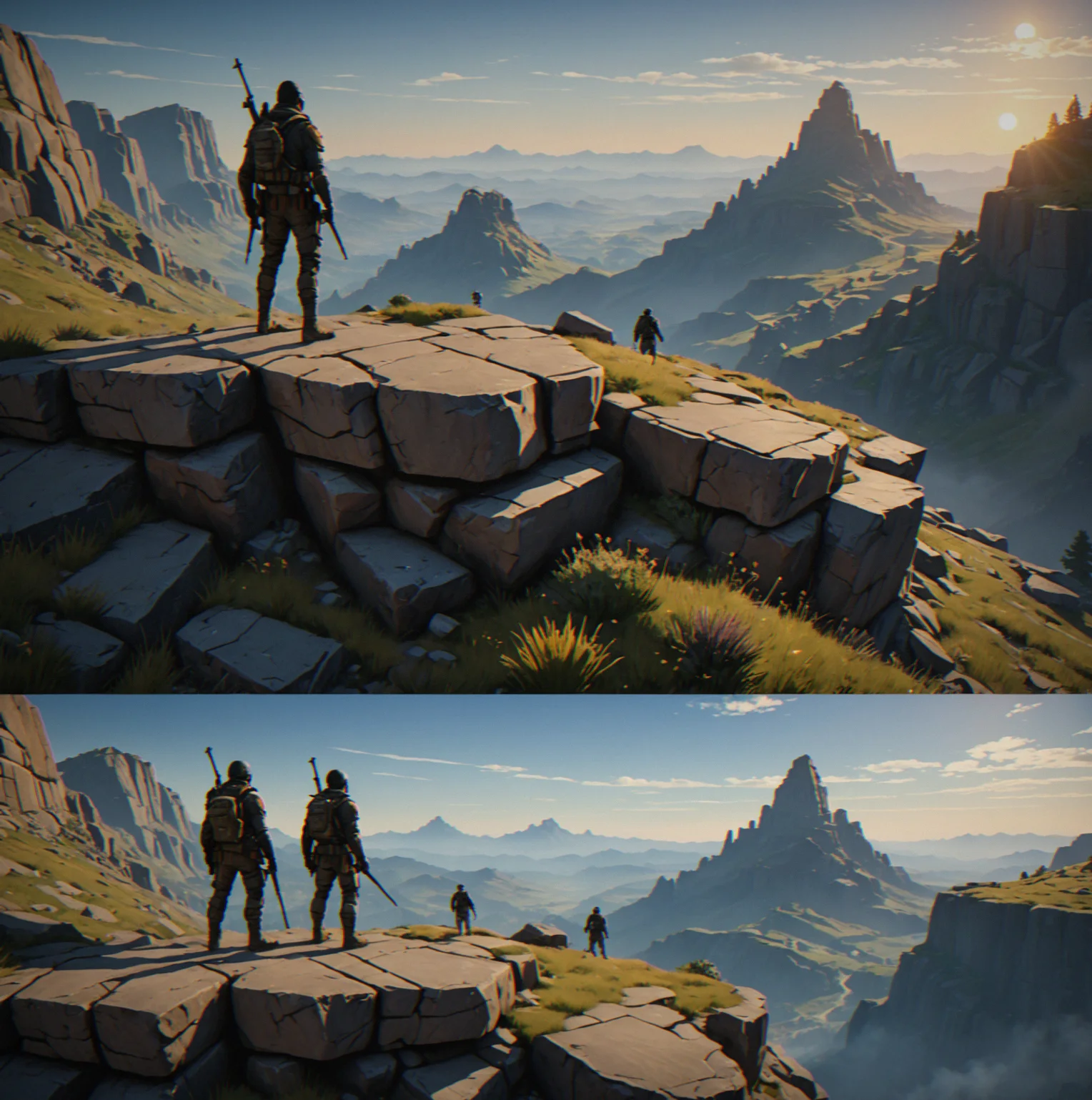
Split-screen of the same ridge sector showing daylight visibility on one side and night-time sight distance on the other, with clouds moving through and torches creating dynamic windows you can slip through